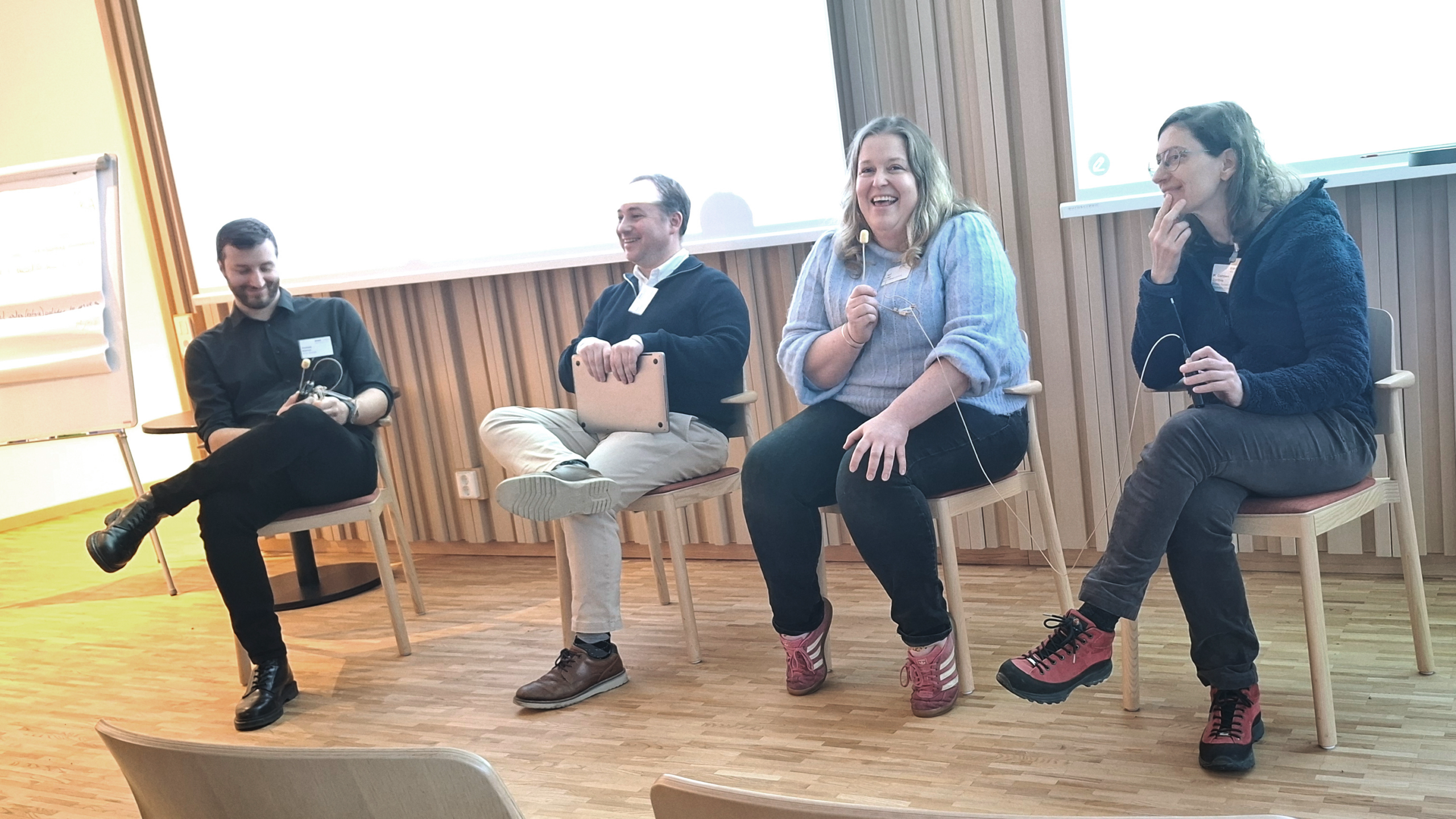
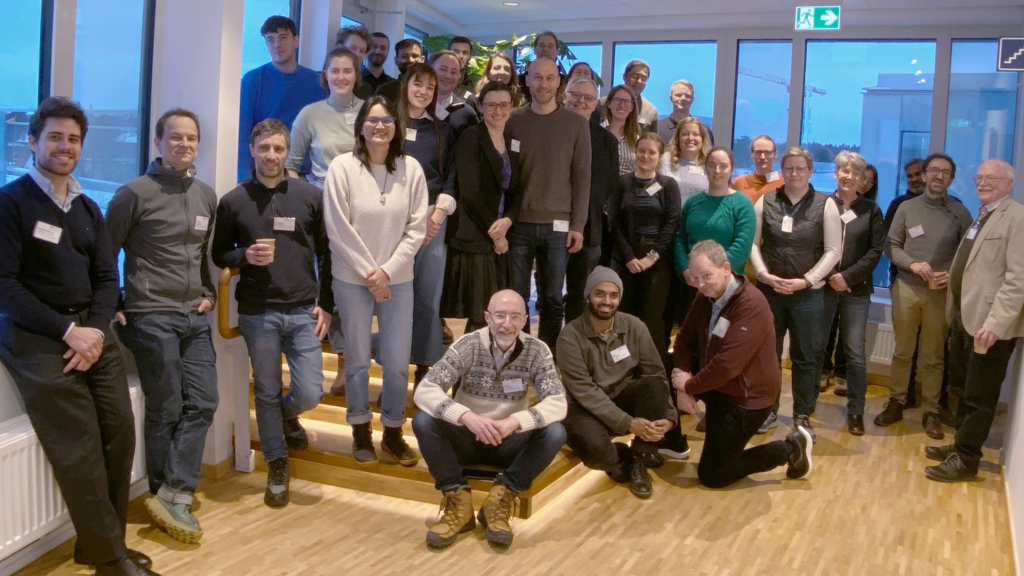
The 3rd National Sweden SKA Science Days, held at Stockholm University in February 2026, highlighted Sweden’s rapidly growing role in the international SKA Observatory project and the increasing importance of artificial intelligence in future astronomy research. Sweden formally joined the SKAO in 2025, and the meeting reflected a strong sense of momentum as the SKA telescopes move toward commissioning and first science operations.
The conference gathered astronomers, engineers, software specialists and students from across Sweden and neighbouring Nordic countries. The scientific programme covered a broad range of topics including galaxy evolution, black holes, exoplanets, planet formation, molecular gas, active galactic nuclei, and the Epoch of Reionization — the period when the first stars and galaxies transformed the early Universe. Researchers also presented work connected to major observatories and surveys such as Atacama Large Millimeter/submillimeter Array, James Webb Space Telescope and Euclid.
A major theme throughout the meeting was the growing role of machine learning and AI in astronomy. Talks explored how AI methods can help scientists process the enormous data volumes expected from SKA-Low and SKA-Mid. Presentations included machine learning for cosmology, galaxy morphology analysis, inverse problems, structure formation, and AI-driven astronomical data interpretation. A dedicated discussion panel examined both the scientific opportunities and ethical questions raised by the use of AI in large-scale astronomy projects.
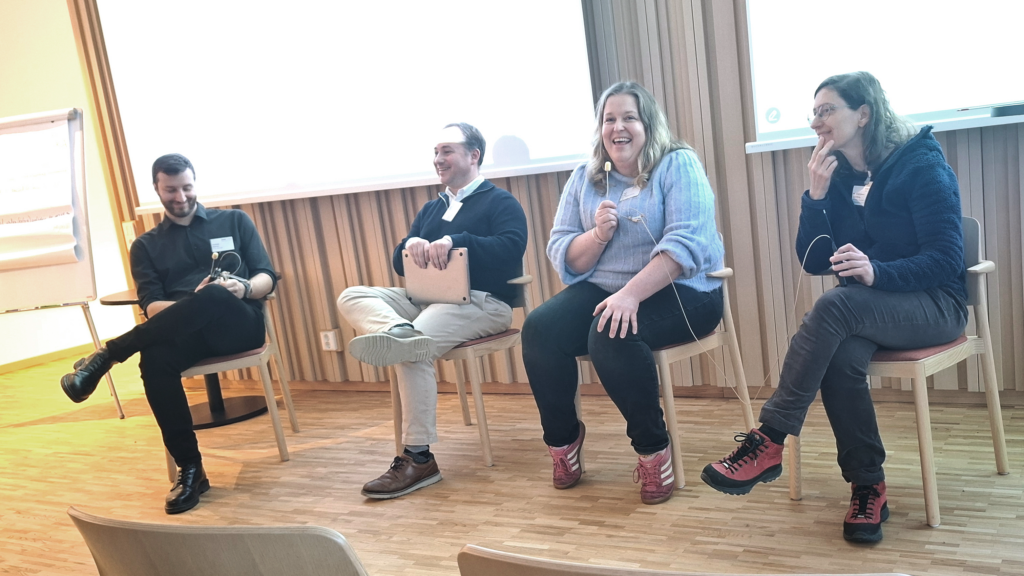
Several presentations focused on preparing for the SKA era through international data challenges and development of the Sweden SKA Regional Centre node, which will support computing, storage and data services for future SKA science. Researchers reported increasing experience with SKA simulations and precursor data while awaiting the first observations from the telescopes.
The programme also showcased the interdisciplinary nature of SKA science. Sessions covered transient radio astronomy, cosmic reionization, exoplanet radio emissions, compact obscured galactic nuclei, AGN feedback, and multi-wavelength galaxy studies. Industry participation highlighted technological developments behind SKA instrumentation and synchronization systems.
According to organiser Kelley Hess, the number and breadth of talks have expanded with each edition of the meeting, reflecting growing Nordic interest in SKA-related science and infrastructure. The conference demonstrated how Sweden is positioning itself at the intersection of astronomy, data science and AI as the SKA era approaches.
Additional details are available in the March edition of the SKA Observatory Contact magazine (page 47):
SKAO Contact Magazine Issue 19
Conference presentations and contributions can be accessed on the official event page:
3rd National Sweden SKA Science Day

Comments are closed